In Part One, we looked at the history of our clay Civil War cats and our personal journey to start Civil War Tails. Today, we want to talk about four lessons we have learned along the way, and help you to apply them to yourself:
- Allow yourself to dream.
- Identify the kernels inside you that you keep coming back to.
- When you take the plunge…stick it out.
- Make a difference.

First, allow yourself to dream. Do not dismiss your dreams as impossible. Allow yourself to consider the possibility. When Rebecca took small business courses in college, she was merely toying with the idea of a museum, figuratively poking at it. The idea of starting a museum sounded so big and grand that it seemed impossible. But pursuing a dream is like eating an elephant. Take it one step at a time and…maybe you can. Be open to your interests, work towards your dream where and when you can, and you may be surprised at where it leads!
Second, identify the kernels that you keep coming back to. What are you passionate about? What idea keeps rattling around in your head?
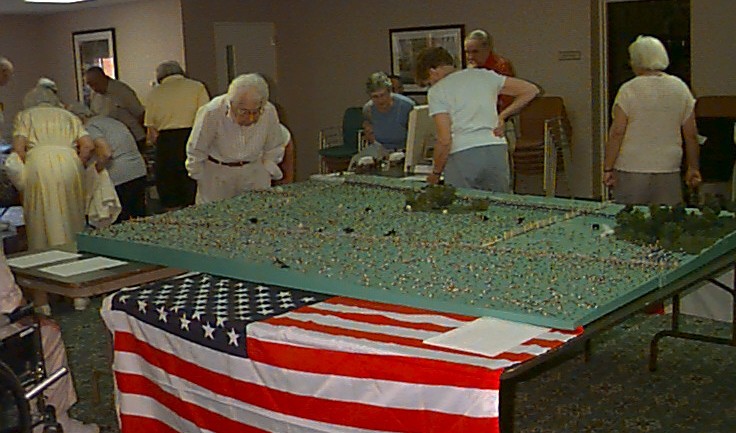
Sometimes it takes time to identify them. And sometimes it requires listening to the people around you. Other people can help you discover the kernel that will bring out your potential, because it is easier for them to see your gifts, talents, or passions that you think of merely as “just a hobby” or “just the way I am.” Or, they might help you find a way to do something with your skills, because they know of jobs or opportunities that you have never thought of. Or, as with us and Helen, they might have the persistence to keep mentioning a good idea until you finally listen!
Once you’ve identified the kernel, develop it. See how your other strengths, skills, talents, passions, interests, and knowledge can help to develop that kernel. For example, starting (and running) our museum involved more than just our cat-making abilities.
- It took knowledge: Ruth, being a lawyer, knew what type of lawyer we needed to find to help us set up the business and take care of the legal requirements.
- It took skills: Rebecca’s work as waitstaff taught her that customers are not just paying for the food, but for the experience. And the staff is part of making that experience enjoyable and memorable. That is knowledge and a skill that translates to a museum—and any job. People come not just for the dioramas, but for the experience. How can we make the experience enjoyable and memorable for our visitors?
- It took passion: People often comment how much they enjoy seeing our passion, whether in the amount of work and time it took to make the dioramas, or in chatting with us and hearing us pour out the stories that inspired our dioramas.
But once you have dreamed and identified the kernels in your life and taken the plunge to develop them—then what?
Our third point, stick it out. We’re very fortunate to have a museum centered around our passions. But in all honesty, even with a dream job, you won’t love every day. So how do you keep going?
We have a very practical tip, which we have found helpful: Remember the 5-stars. That is, remember the good responses and interactions. Let’s face it, you can have tons of 5-star reviews and Likes, but it’s the lone 1-star review that sticks in your head and starts you doubting and second-guessing. So, remember the 5-stars.

We have taken to writing down the nice comments we get from museum visitors. Then, at the end of each month, we compile them into a “monthly report.” That way, when we’re feeling discouraged, we can go back and read comments like, “This was a joy!” “This is the best museum we’ve been to!” or even, “This was better than Mardi Gras in New Orleans!” (yes, someone actually said that!)
Keeping a log or diary of the good days is a very practical way to remember why you do what you do, to help you keep plugging forward, and to reorient you back to your original goal or aim.
Lastly, whatever you do, do it with excellence, and you will make a difference. You may not see it day by day, but as you reflect on past months and years, and especially if you keep a “5-star log,” you can see the impact you are having on others.
Over the years, we have developed specific strengths, skills, talents, interests, passions and knowledge to become the Civil War Tails Diorama Museum. The result has impacted people with our passion, detail, and historical accuracy.
- As kids, we were detail-oriented perfectionists.
- Over time, we developed our skills in research and analysis, our knowledge, our perfectionism, our steady hands and patience, our attention to detail, and our desire for accuracy.
- Now, licensed battlefield guides enjoy seeing a historically-accurate, to-scale, miniature view of one point in time on the battlefield they know so well. And people who had their doubts about clay cats appreciate the detail and accuracy.

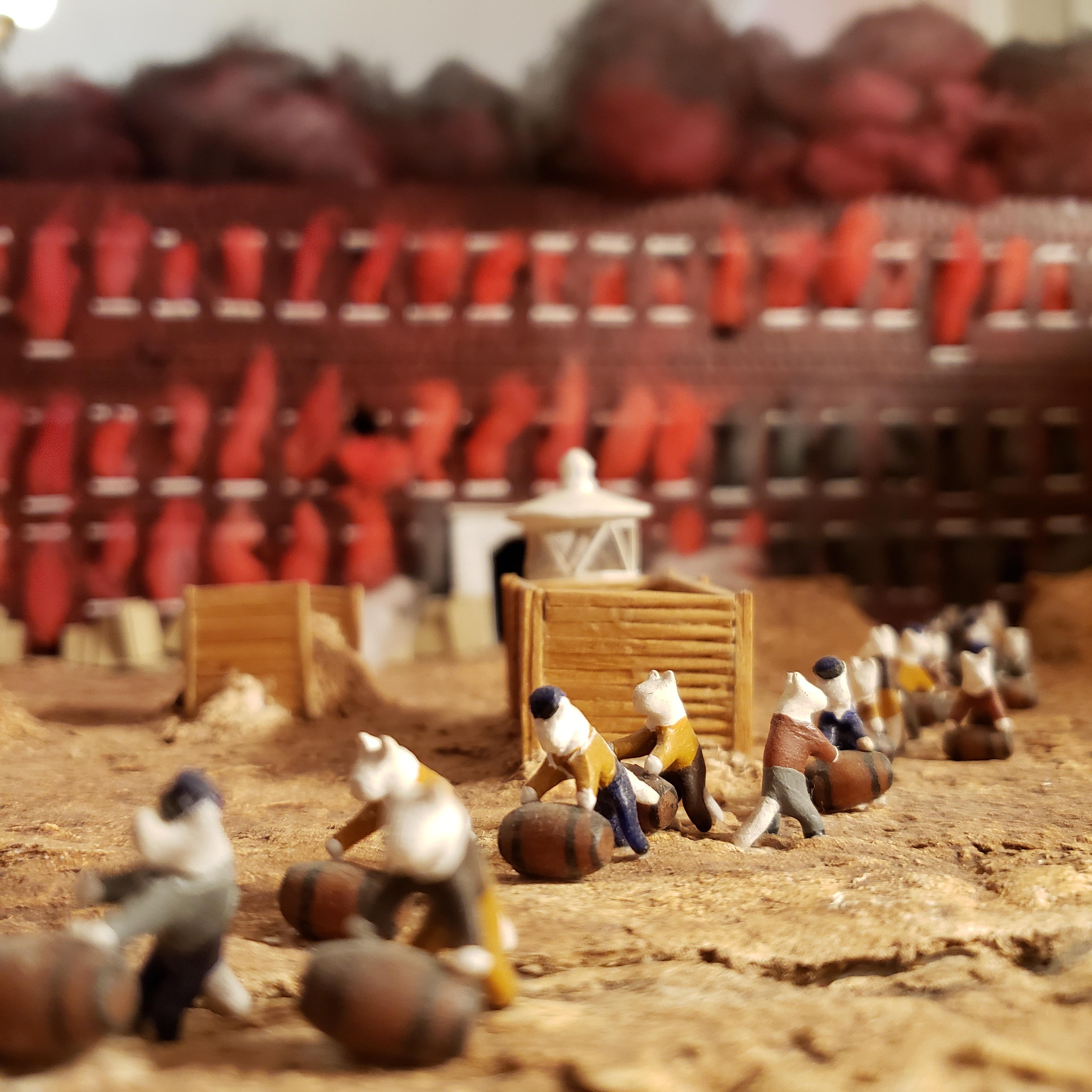
- As kids, we liked making things out of clay and whatever we had around the house.
- Over time, we honed our skills to greater precision and detail and learned about new materials, so now we can recreate battlefield topography and precise rock formations from photographs.
- Now, visitors can visualize what they are learning about. One visitor said the Civil War Tails experience was “life-changing,” because this was the first time she could visualize what the battle looked like.


- As kids, we liked the individual “people stories.”
- Over time, we developed our passion to not only recreate for ourselves but also to share the stories of the people in the Civil War.
- Now, we are
- Raising awareness of less-known actions, including East Cavalry Field here at Gettysburg
- Inspiring kids to study history even to the point of forming their own history club or making their own dioramas
- Making history accessible for adults who were not interested in it before. Something “quirky” can be unexpectedly awesome and informative, and help to make a “boring” subject interesting!

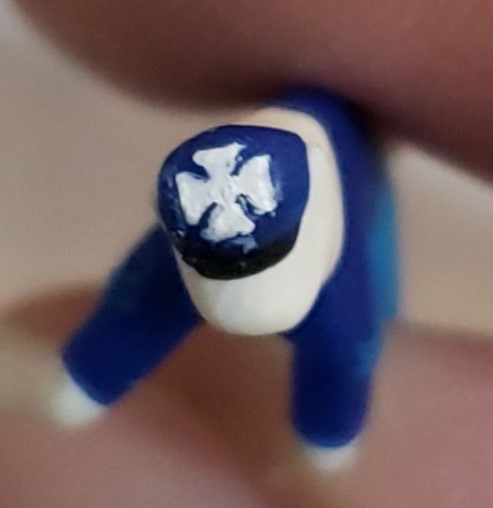
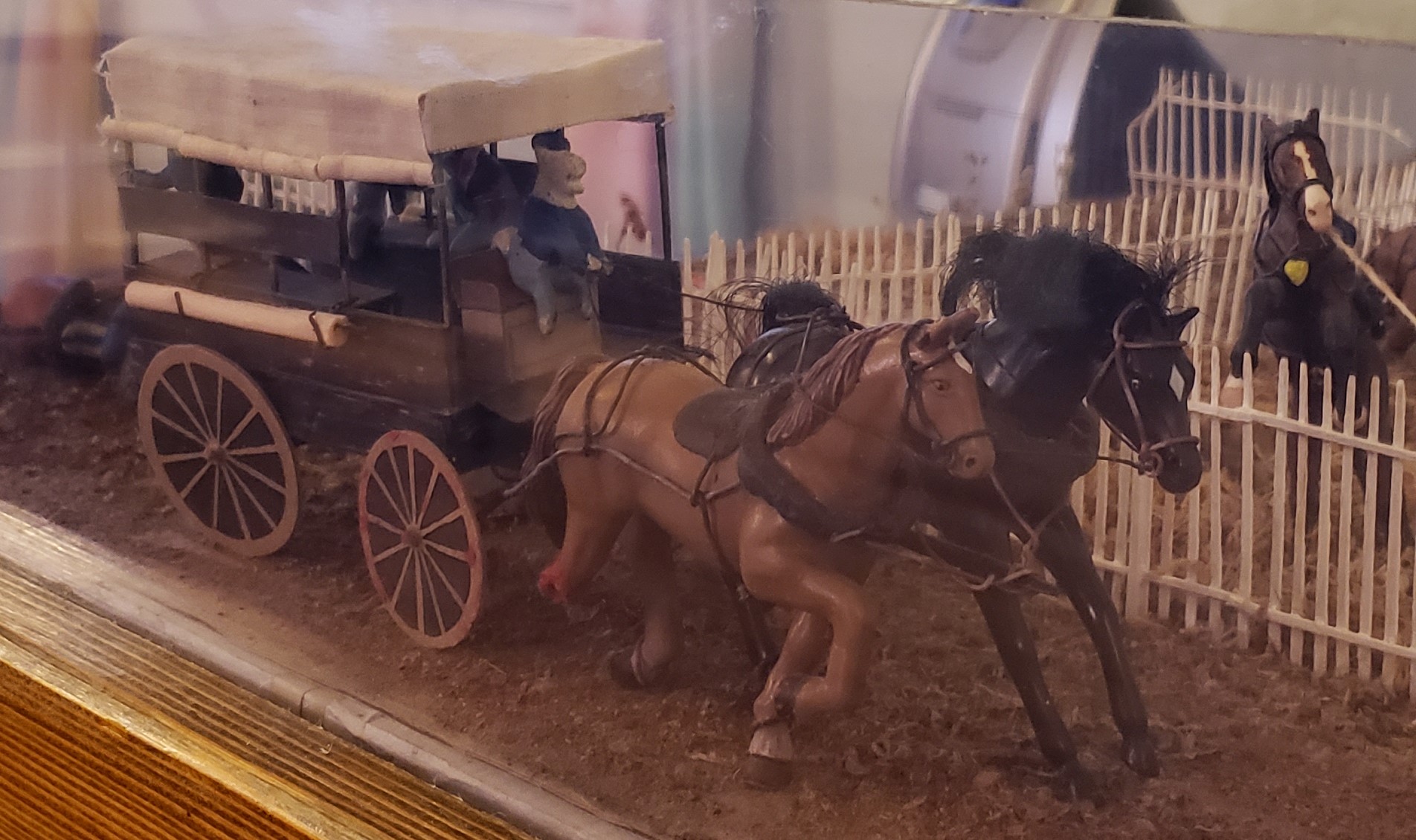


Your strengths and skills and talents, your interests, passions, and knowledge can impact lives. Develop them. Value life-long learning. Take training opportunities with an open mind and enthusiasm. Remain curious and open to new experiences and knowledge. Keep honing your skills.
If you do what you do well, it will impact people, even in ways you do not expect. We did not set out thinking, “We’re going to make a difference.” But we have. By pursuing excellence in our research, materials, and presentation, what used to be “just clay cats” has helped people see history in a new way, helping to honor and tell stories of the people in the Civil War.
How will you make a difference?
 Civil War Tails at the Homestead Diorama Museum - Gettysburg miniatures
You made me weep with joy for you!! Love, Mom
LikeLike