March 25 is National Medal of Honor Day. Here at Civil War Tails, we currently have 11 recipients either portrayed or mentioned on our dioramas. In today’s Mewsing, we are highlighting those recipients who were involved in repulsing Pickett’s Charge at Gettysburg on July 3, 1863. (Italicized quotes are from each man’s Medal of Honor citation, which can be found on the Medal of Honor Society’s website or on Wikipedia.)
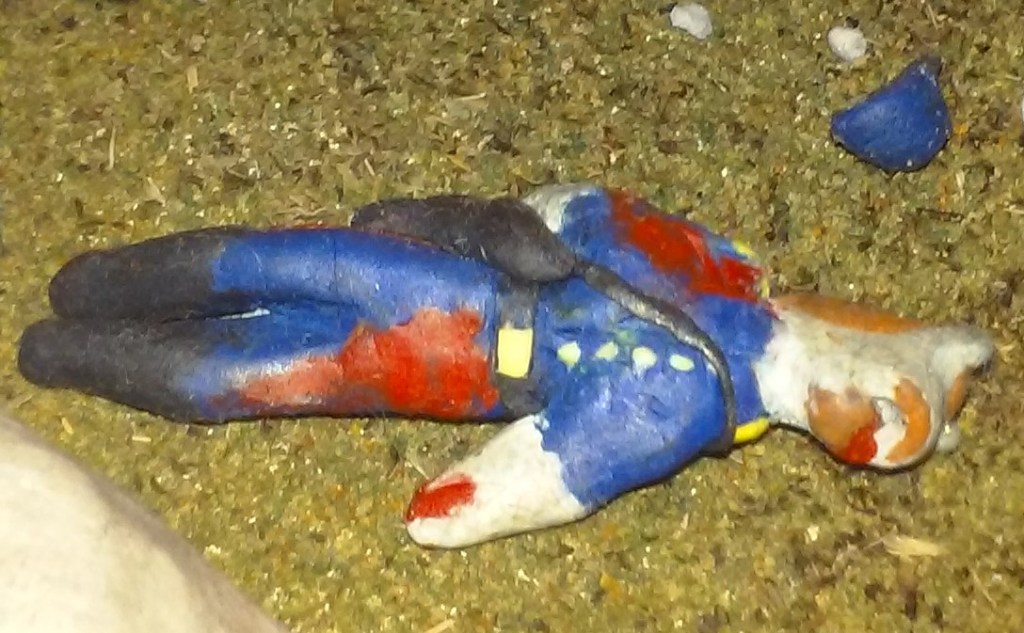
Lt. Alonzo Cushing, Battery A, 4th U.S. Artillery, Pickett’s Charge, Gettysburg, Pa., 3 July 1863 – “First Lieutenant Alonzo H. Cushing distinguished himself by acts of bravery above and beyond the call of duty… [During the cannonade before Pickett’s Charge,] First Lieutenant Cushing directed fire for his own artillery battery. He refused to leave the battlefield after being struck in the shoulder by a shell fragment. As he continued to direct fire, he was struck again – this time suffering grievous damage to his abdomen. Still refusing to abandon his command, he…continued to direct devastating fire into oncoming forces.… First Lieutenant Cushing’s extraordinary heroism and selflessness above and beyond the call of duty at the cost of his own life are in keeping with the highest traditions of military service and reflect great credit upon himself, Battery A, 4th U.S. Artillery, Army of the Potomac, and the United States Army.”
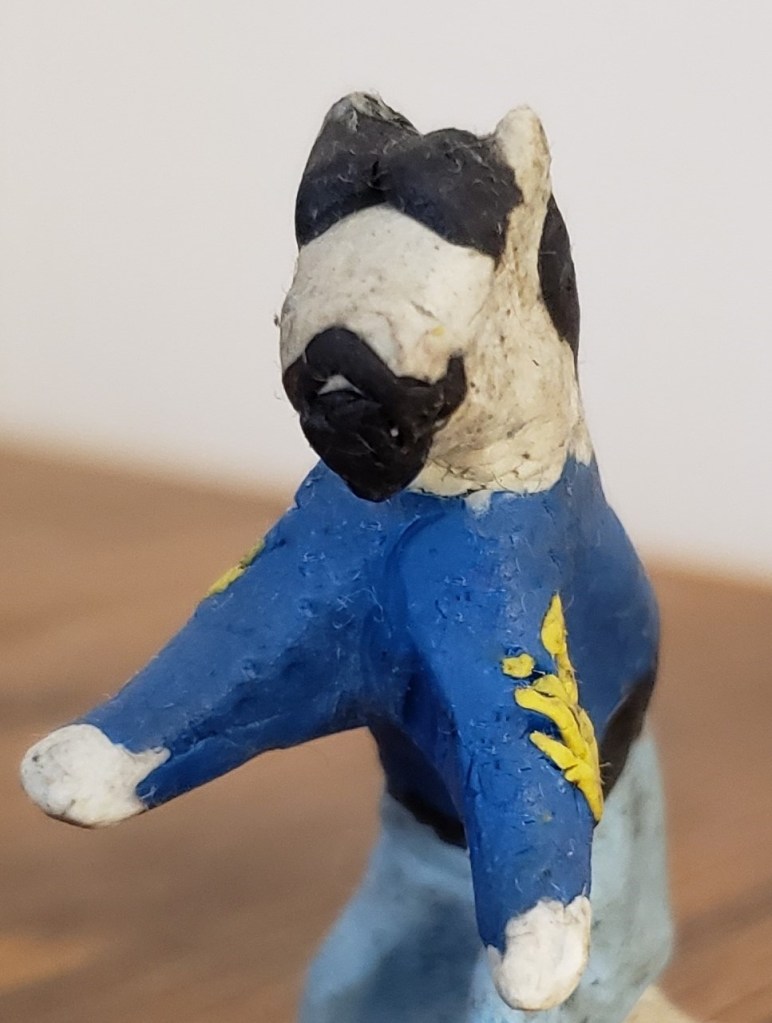
Sgt. Frederick Füger, Battery A, 4th U.S. Artillery, Pickett’s Charge, Gettysburg, Pa., 3 July 1863 – “…for extraordinary heroism on 3 July 1863, while serving with Battery A, 4th U.S. Artillery, in action at Gettysburg, Pennsylvania. All the officers of his battery having been killed or wounded and five of its guns disabled in Pickett’s assault, Sergeant Füger succeeded to the command and fought the remaining gun with most distinguished gallantry until the battery was ordered withdrawn.”
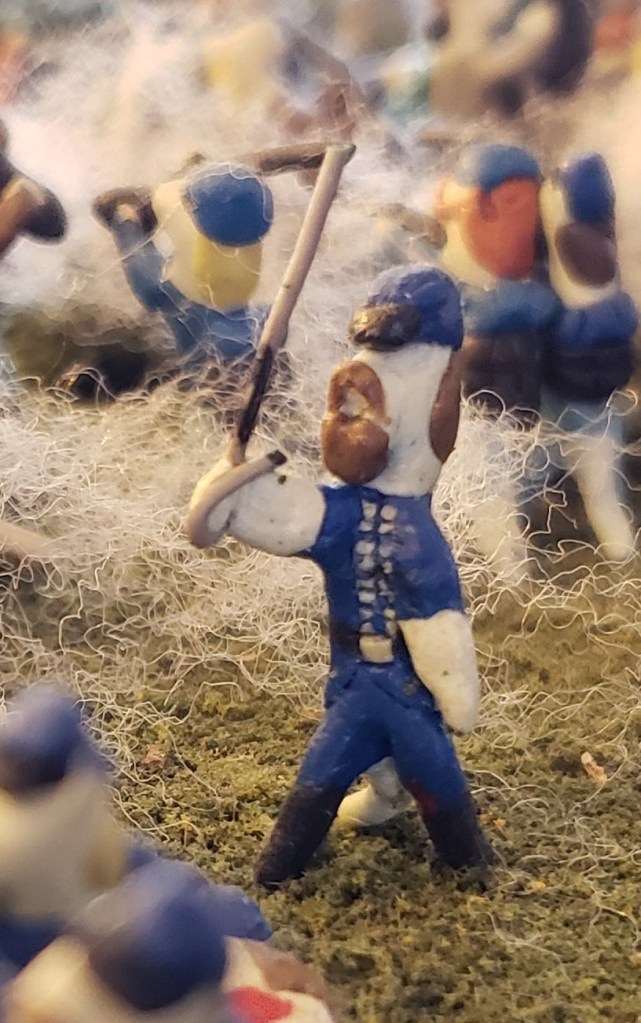
Gen. Alexander Webb, Philadelphia Brigade, Pickett’s Charge, Gettysburg, Pa., 3 July 1863 – Gen. Webb commanded the Philadelphia Brigade at the Angle, where Pickett’s division struck the Union line. After trying to lead the immovable 72nd Pennsylvania forward, Webb joined the 69th Pennsylvania at the stone wall where they were grappling—sometimes literally—with the Confederates. Despite being in the thick of the fighting alongside his men, Webb emerged safely, having only been grazed by a bullet. He received the Medal of Honor for “distinguished personal gallantry in leading his men forward at a critical period in the contest.”
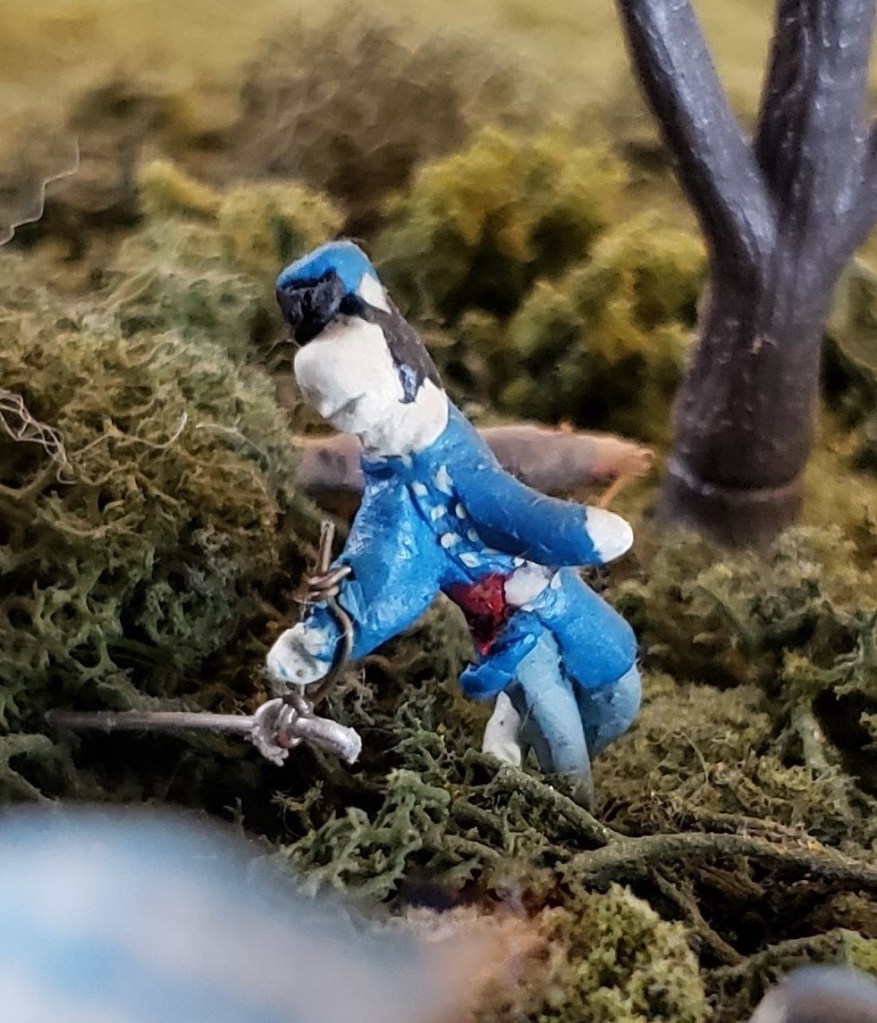
Maj. Edmund Rice, 19th Massachusetts Infantry, Pickett’s Charge, Gettysburg, Pa., 3 July 1863 – The 19th Massachusetts was one of the regiments that piled into the Copse to plug the gap in Webb’s line and help repulse Pickett’s Charge. Maj. Rice received the Medal of Honor for “conspicuous bravery… [in] the countercharge against Pickett’s division where he fell severely wounded…”
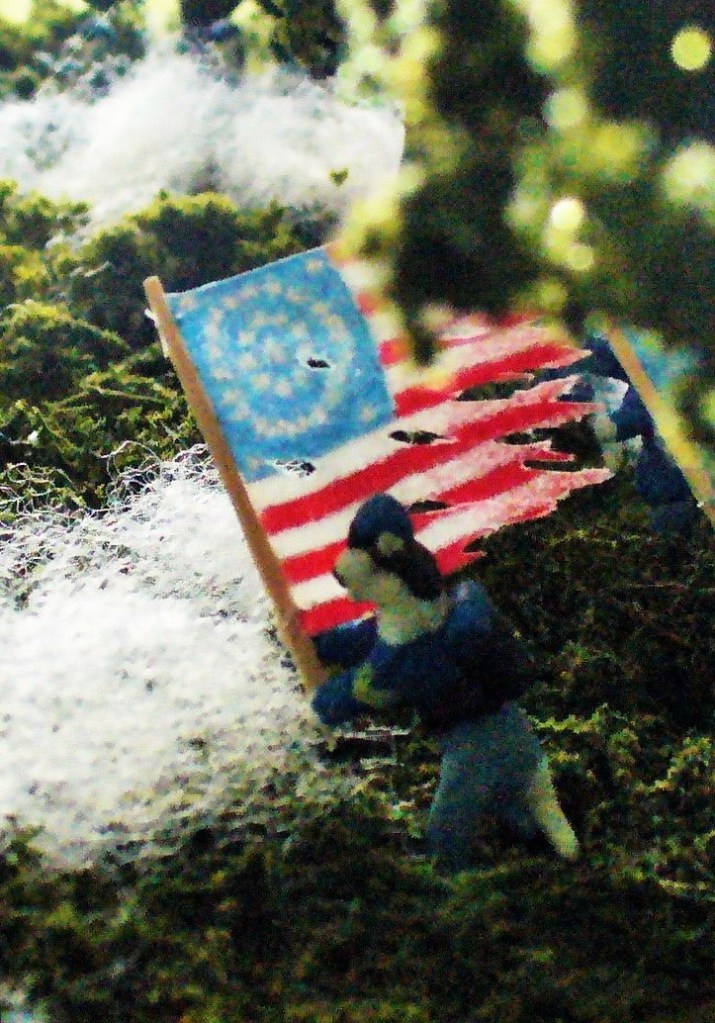
Cpl. Henry O’Brien, 1st Minnesota Infantry, Pickett’s Charge, Gettysburg, Pa., 3 July 1863 – “for extraordinary heroism on 3 July 1863…. Taking up the colors where they had fallen, Corporal O’Brien rushed ahead of his regiment, close to the muzzles of the enemy’s guns, and engaged in the desperate struggle in which the enemy was defeated, and though severely wounded, he held the colors until wounded a second time.” Cpl. O’Brien is one of two enlisted men that we at Civil War Tails often credit with starting the Union counterattack in the Angle.
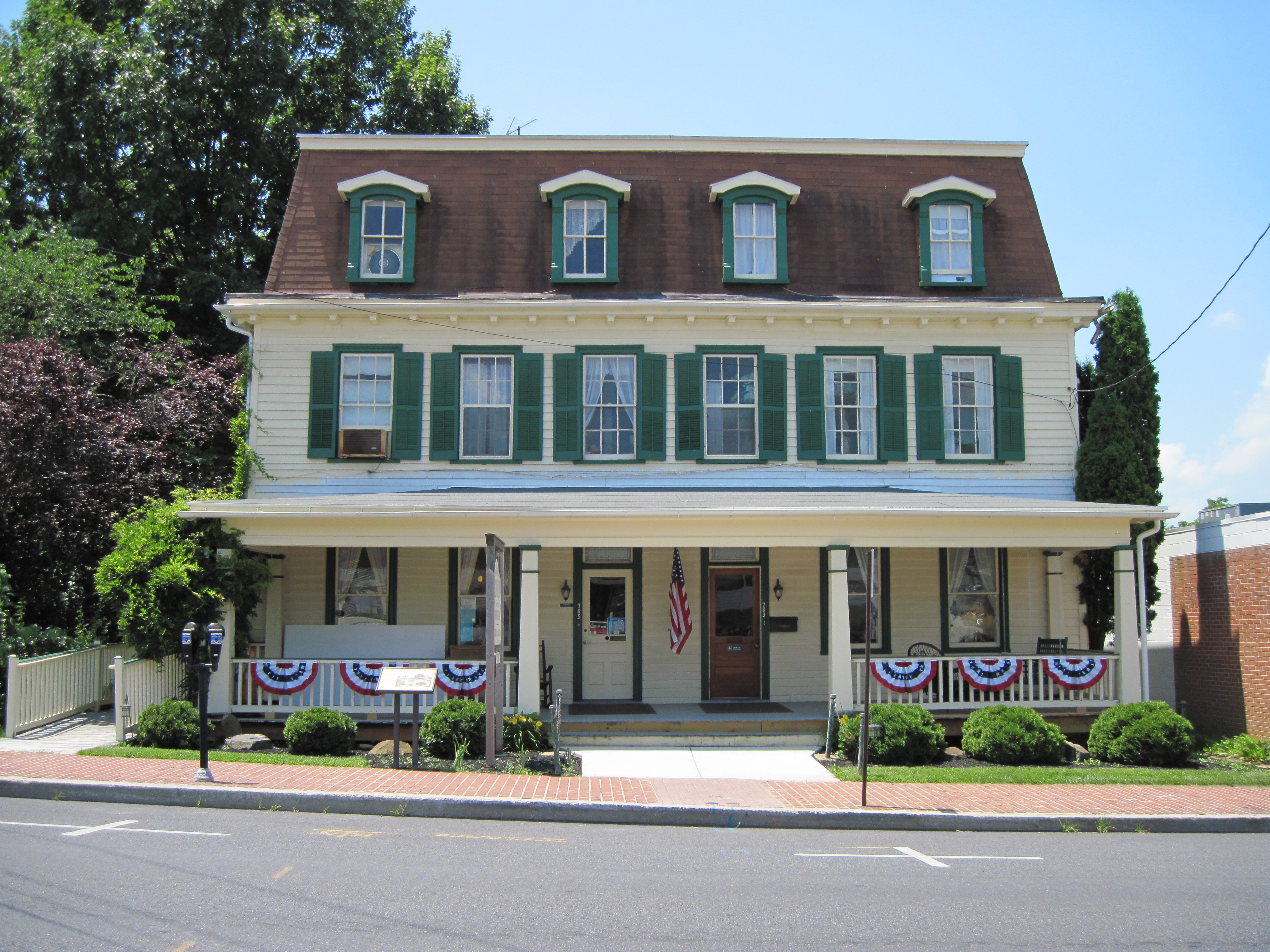
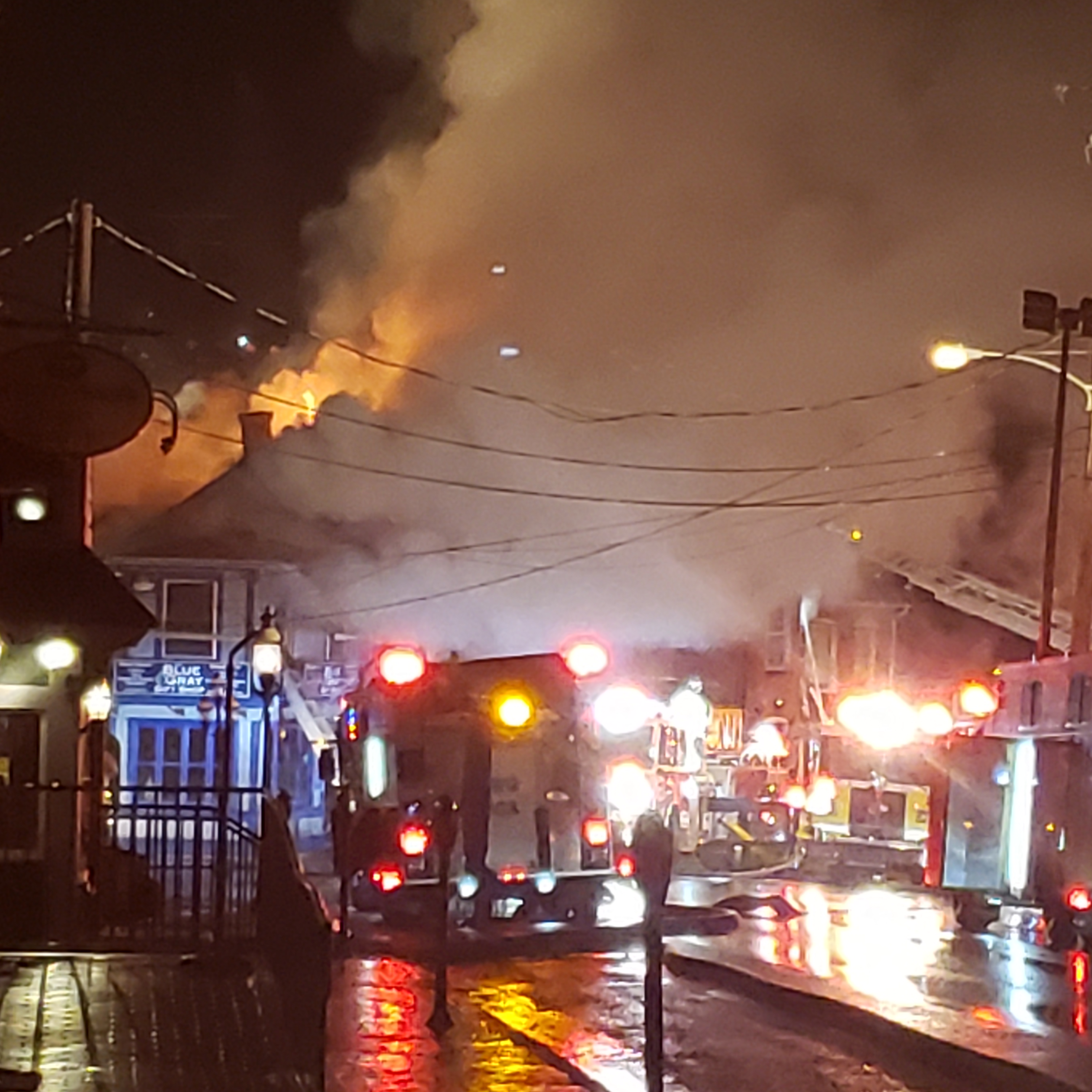 A week and a half ago, we here on Baltimore Street had some excitement—and not of the good kind. Shortly after 4:00 a.m. on March 1st, a car plowed into the buildings that housed the Blue & Gray Gift Shop and the Crystal Wand, and exploded. A 4-alarm fire engulfed both buildings and it took firefighters two hours to put out the flames. Later that day, the day that the Blue & Gray Gift Shop was supposed to open for the season, the building was razed completely. The future of the other building is still being determined. While the driver of the car lost his life, amazingly he was the only fatality, and all the tenants made it out safely.

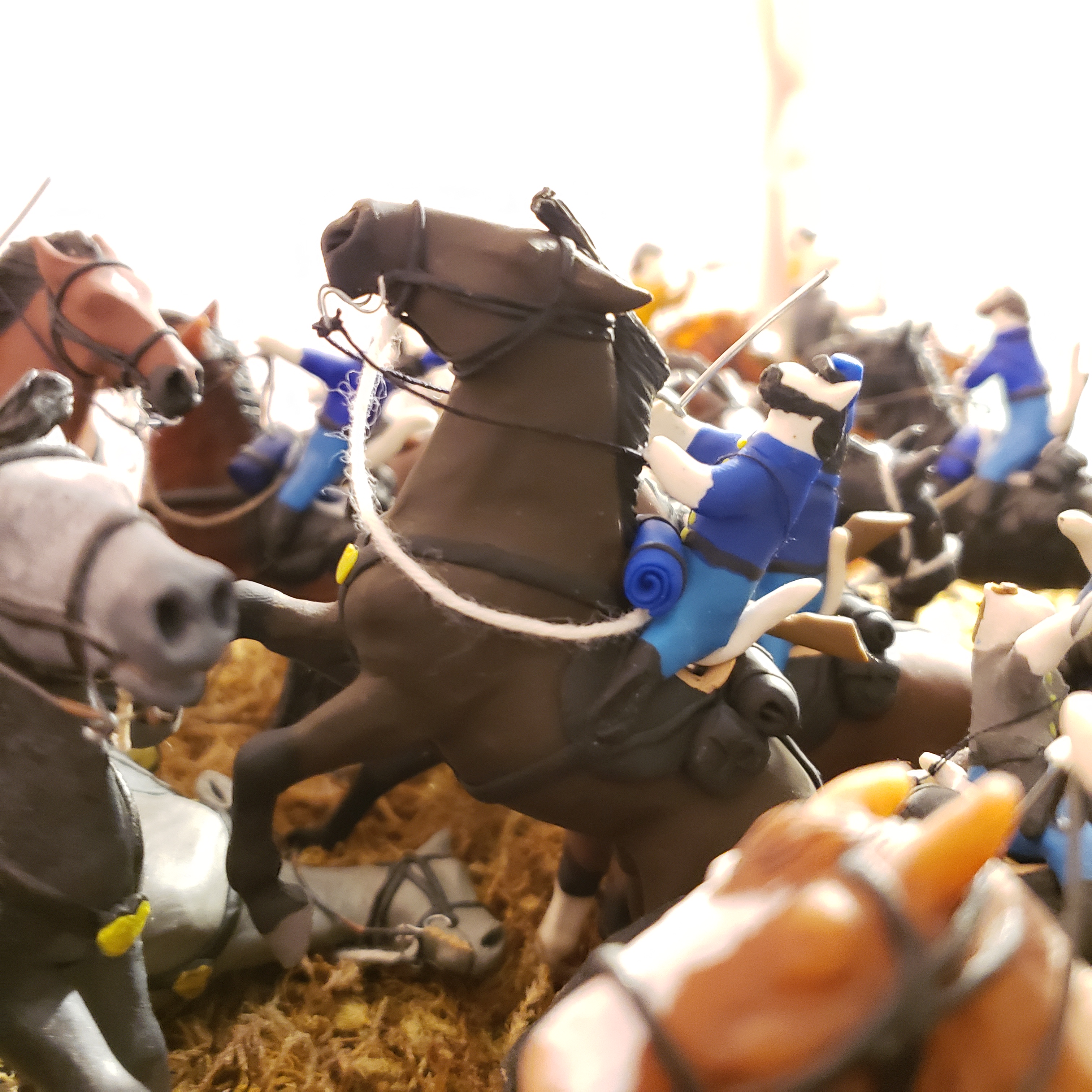


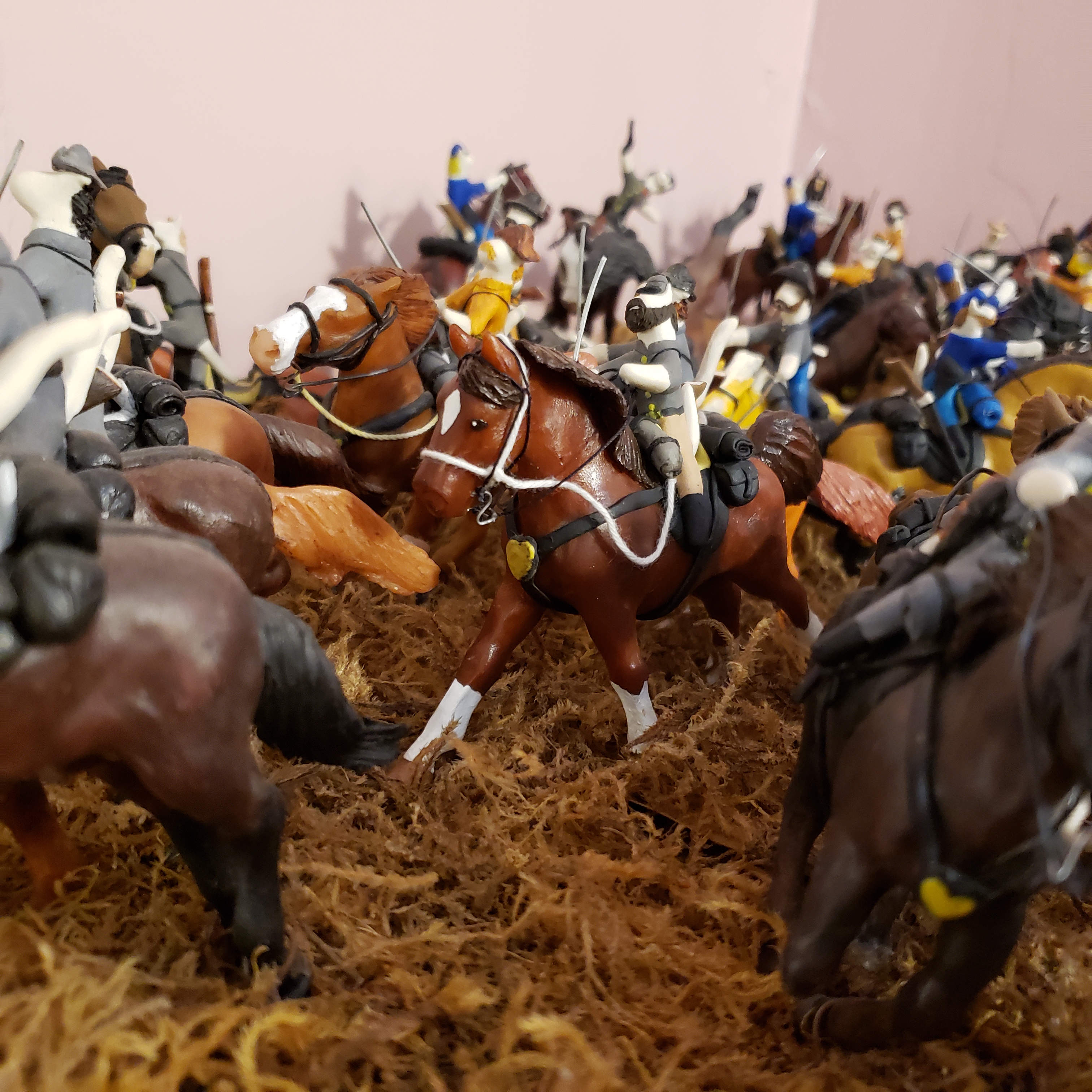
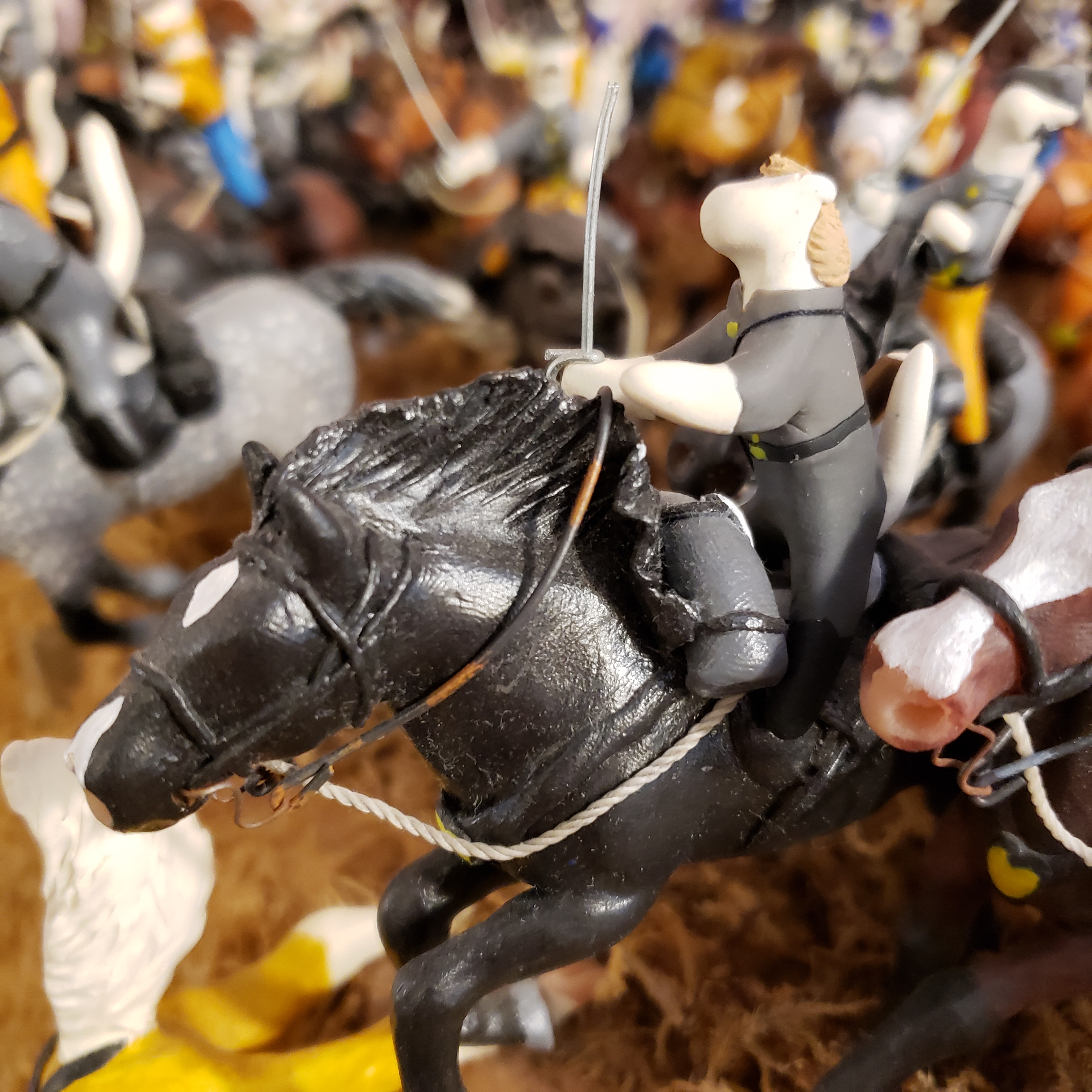


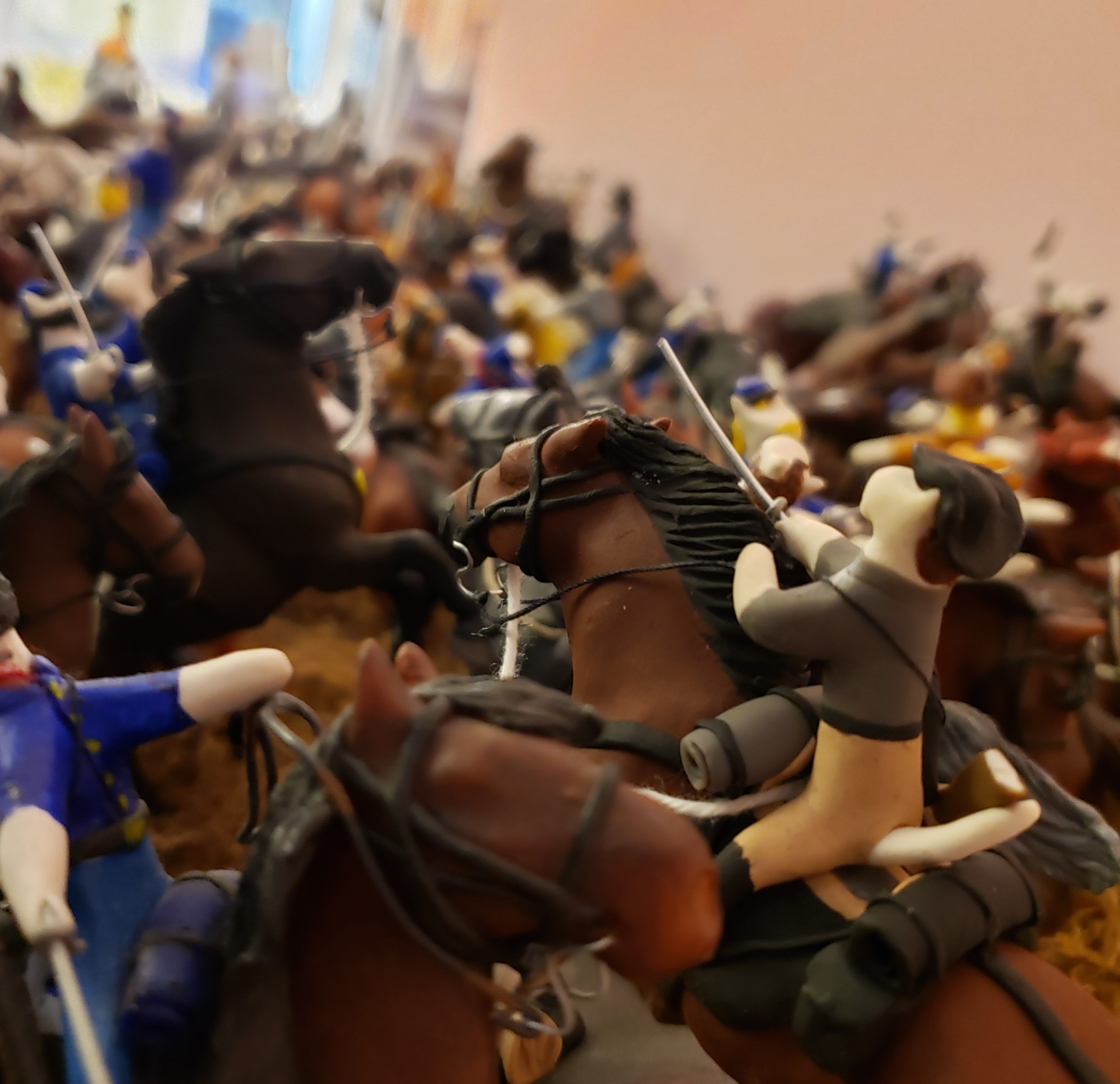

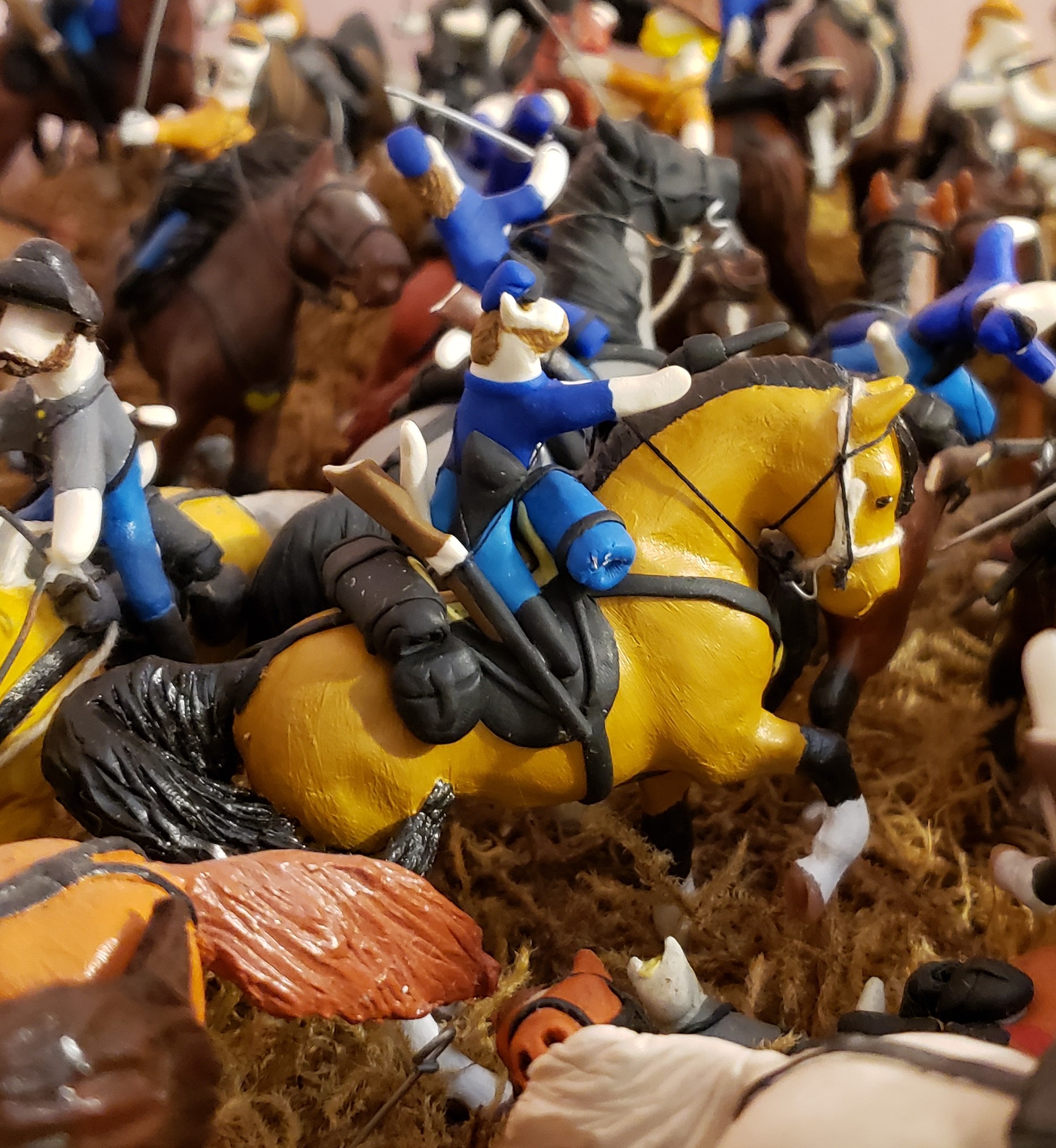
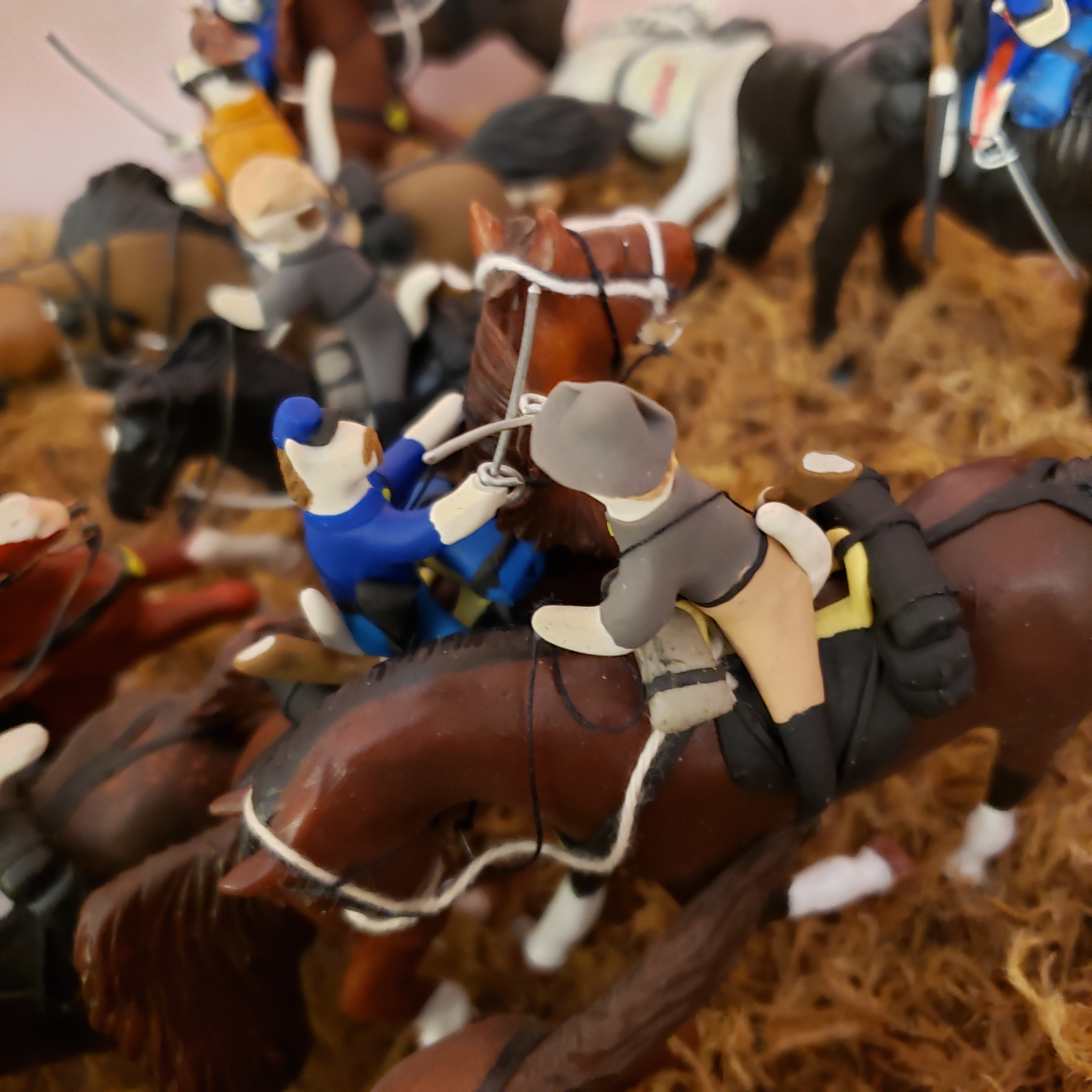


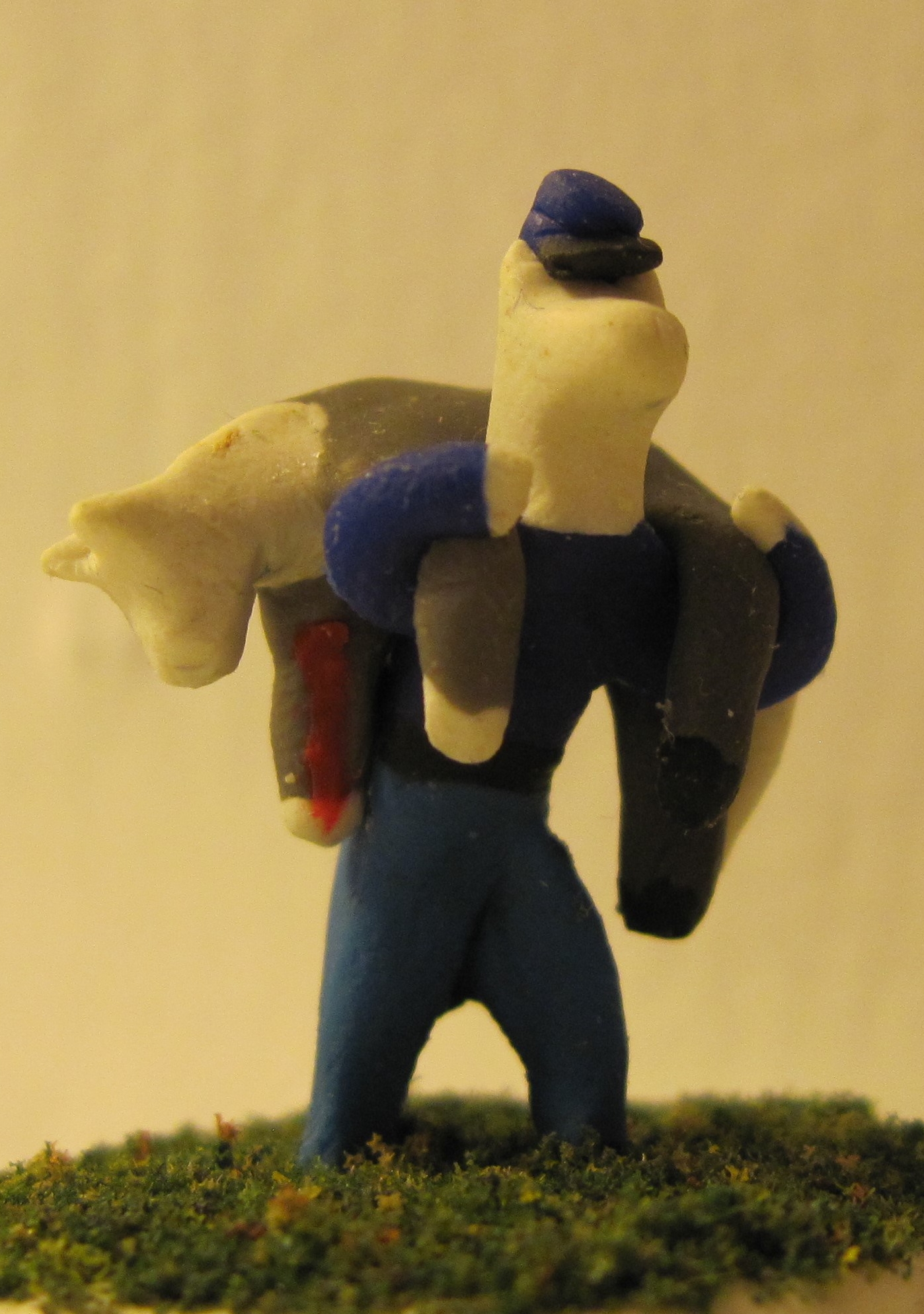 What does it look like if you view “the other side” as a human? It means you will respect them, whether you agree with them or not. It means, when face-to-face, you will see a human, not an enemy. During the fighting on Little Round Top at Gettysburg, Pvt. Philip Grine of the 83rd Pennsylvania Infantry ventured out between the fighting lines to retrieve a wounded Confederate. Later, he went out for a second enemy soldier. A third time he went out, and he was killed in the attempt to rescue yet another wounded Confederate. Why did he do it? To rescue fellow men who lay stranded and bleeding, and to see that they received medical attention at his regiment’s aid station. He didn’t care which uniform they wore, merely that they were suffering and he could do something about it, even at the risk of his own life.
 Often, as historians or armchair dabblers in history, we end up with a handful of favorite historical individuals. With some, we read everything we can find on them. With others, we recognize the name and enjoy tripping across snippets of them as we read books about broader campaigns or events. But sometimes, even our favorites can settle into a “mold.” We know the person’s appearance, character, and actions—and that’s who they are. We forget that we have never met them and never seen them in action.

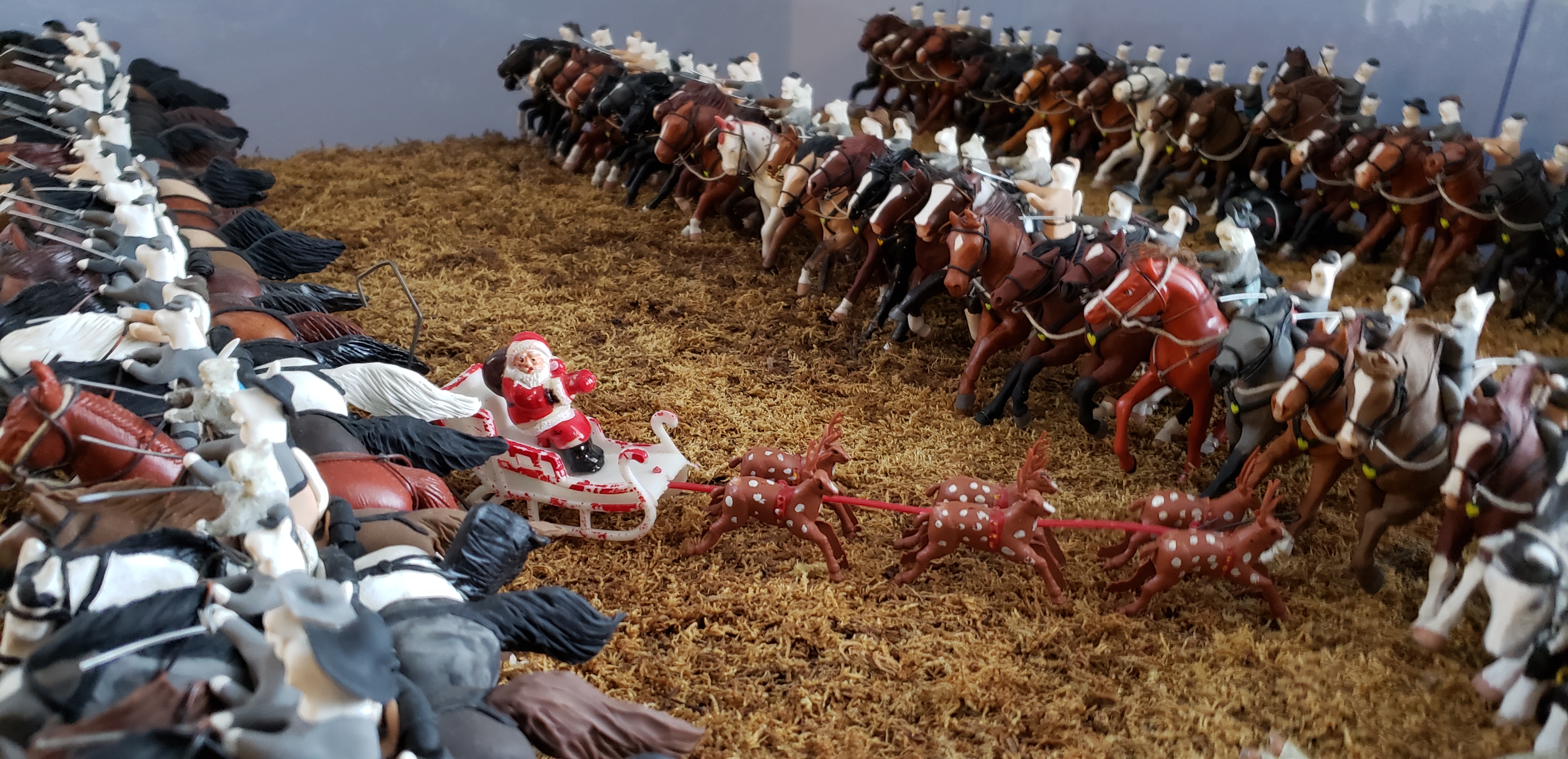
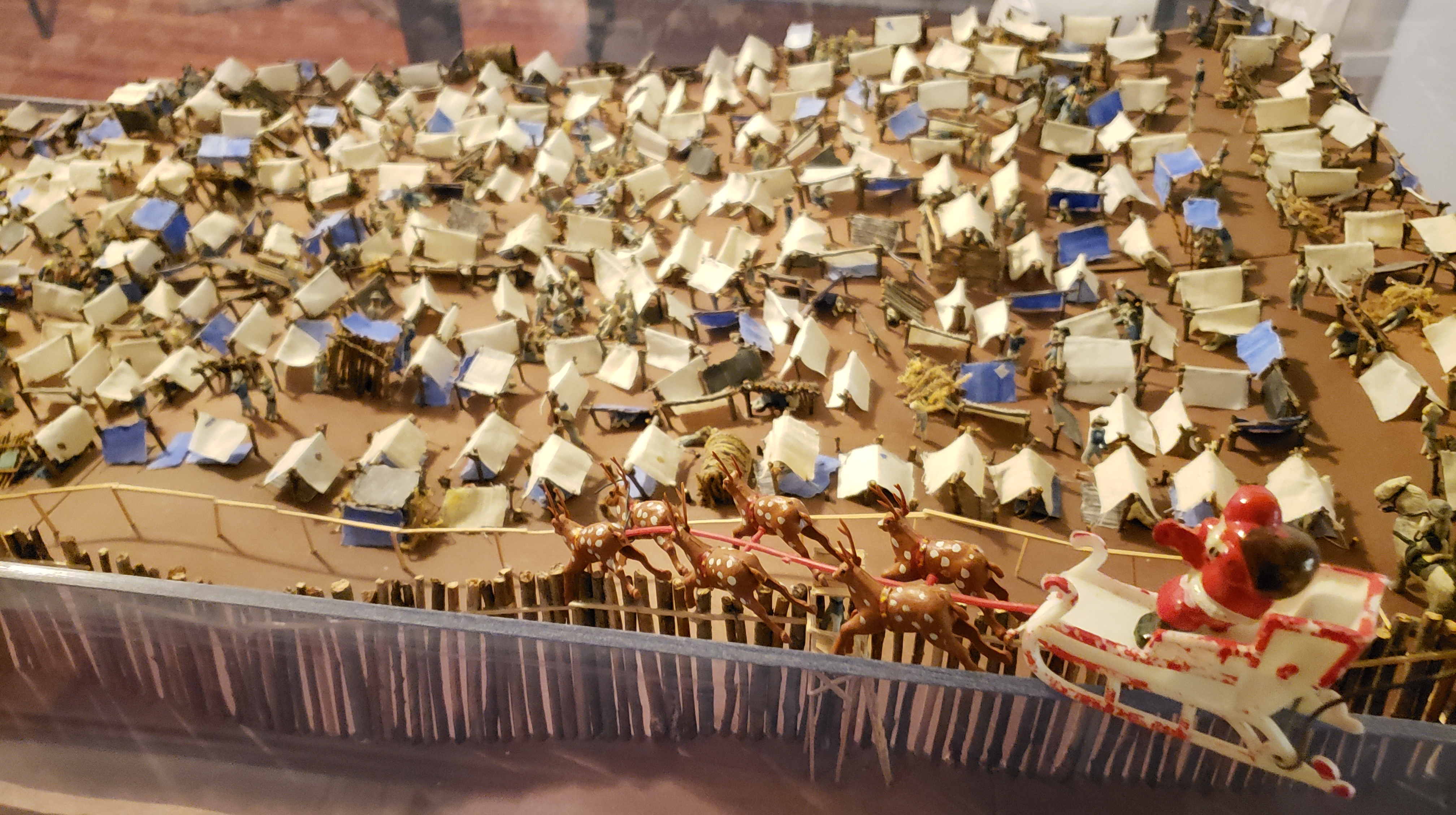
 And then, as the mantel clock struck midnight, there came the faint jingling of distant sleigh bells. The guard on his perch at Andersonville pricked up his ears. He could just make out the sleigh, dashing across the snow, the moonlight glinting off the bells and buckles of the reindeer’s harnesses. Santa Claus was right on schedule! Jimmy’s mouth began to water and his whiskers twitched as he thought of the mounds of “eggs and bakey [bacon]” that he, his fellow guards, and all their prisoners would enjoy in the morning. For one day—well, two days because Santa always gave them enough for leftovers—no one would be hungry.

 “Fire!” Lt. Greene on USS Monitor ordered. “Over the sleigh, boys! Lay down cover! Fire!”
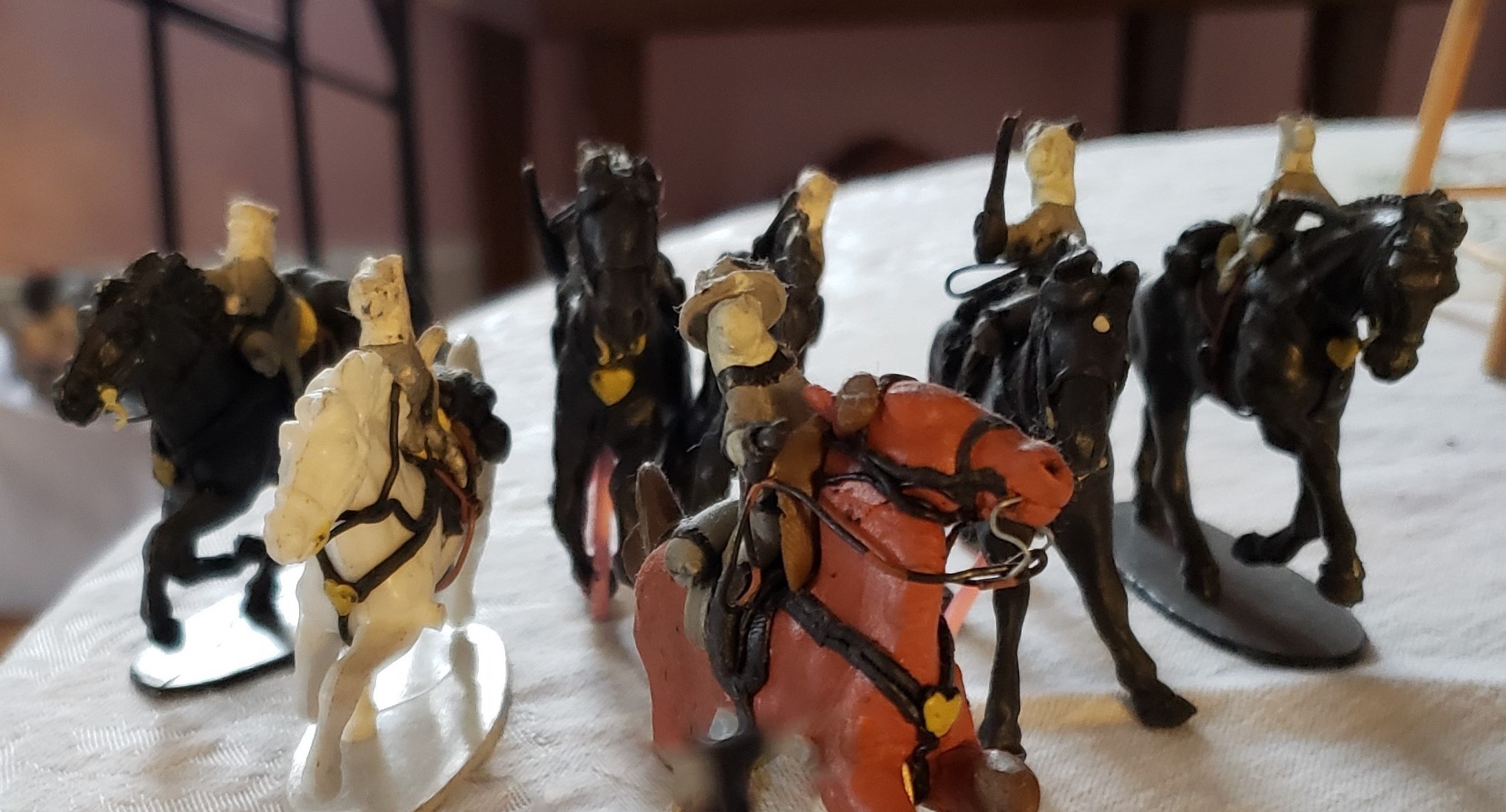 Col. Mosby dashed past first—his raiders were always in the saddle and ready. Sometimes Jimmy wondered if their equivalent of sleep-walking was sleep-raiding Union wagons. They were fully awake now as they galloped past, fur bristling and ears flat. They’d give COVID a run for its money before they let it catch Santa.




 This Thanksgiving, we at Civil War Tails would like to express our gratitude to and for all who have supported our museum and our town through this year. Gettysburg relies on its tourists, and this year was a reminder of just how important all of you are.
 This Labor Day marked 5 years of Civil War Tails, and this year marked 25 years of Civil War cats. We look forward to many to come! It has been a joy to share our dioramas with all of you, and we are happy that our cats can bring a smile to you also.


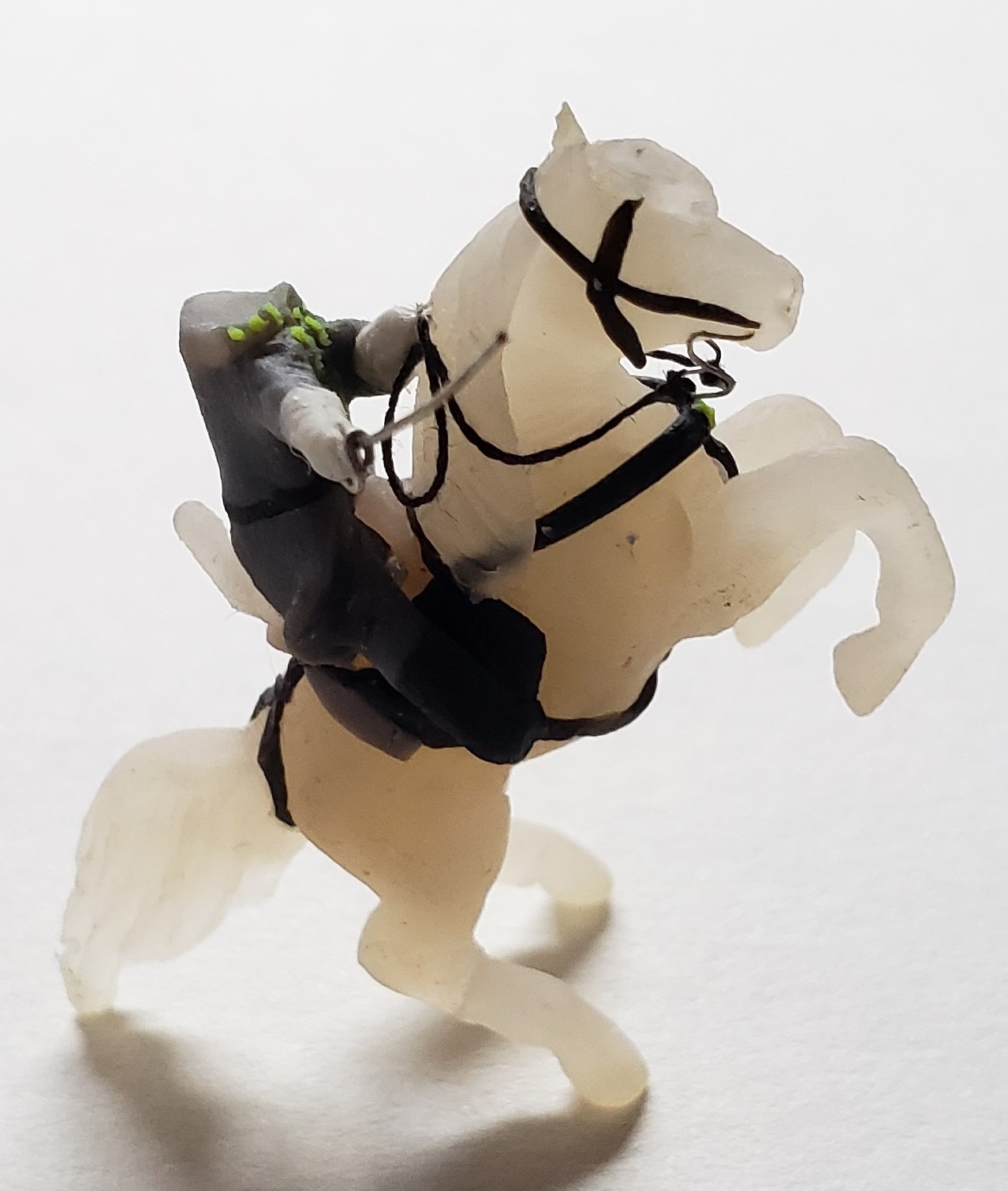
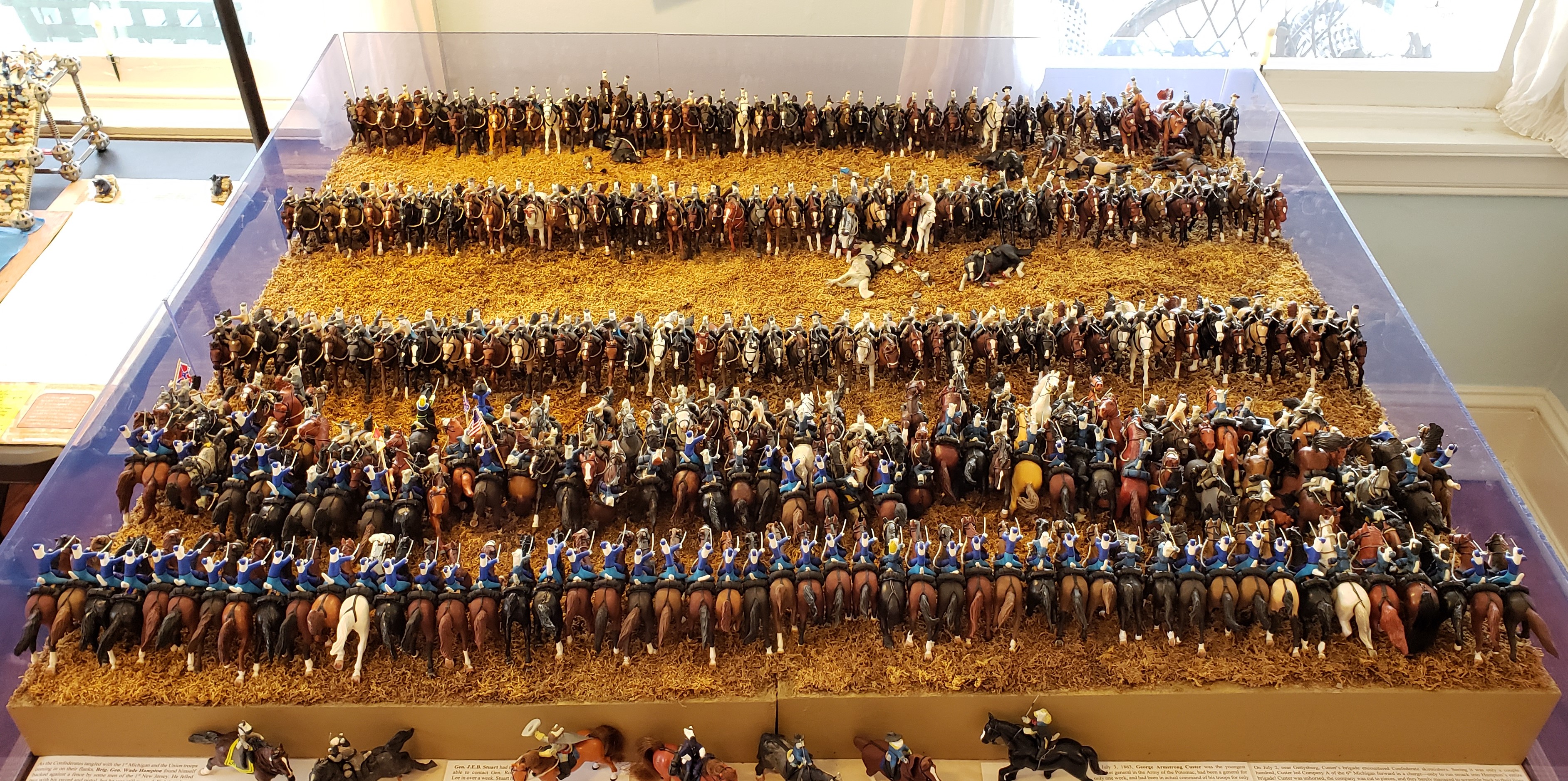
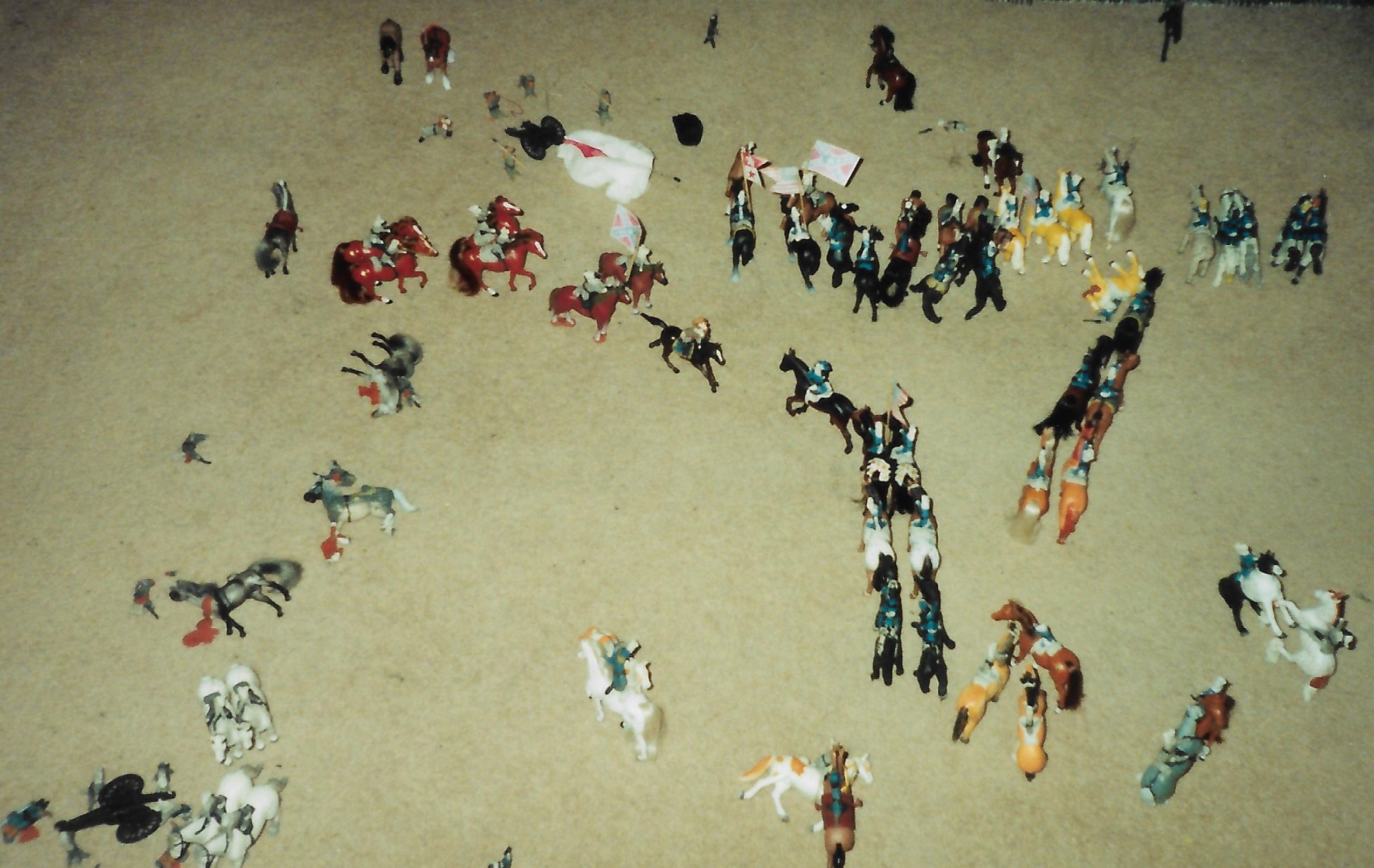 Civil War cat cavalry was present long before we thought to make dioramas. In fact, if memory serves right, it was our becoming tired of having to “fix up” bridles and saddles after every battle that prompted us to set up stationary displays, instead of continuing to use our cat-soldiers as toys. Some of our early pre-diorama photos show the modest cavalries of our earliest cats—and yes, some of the horses in this photo are on “Come On, You Wolverines”!


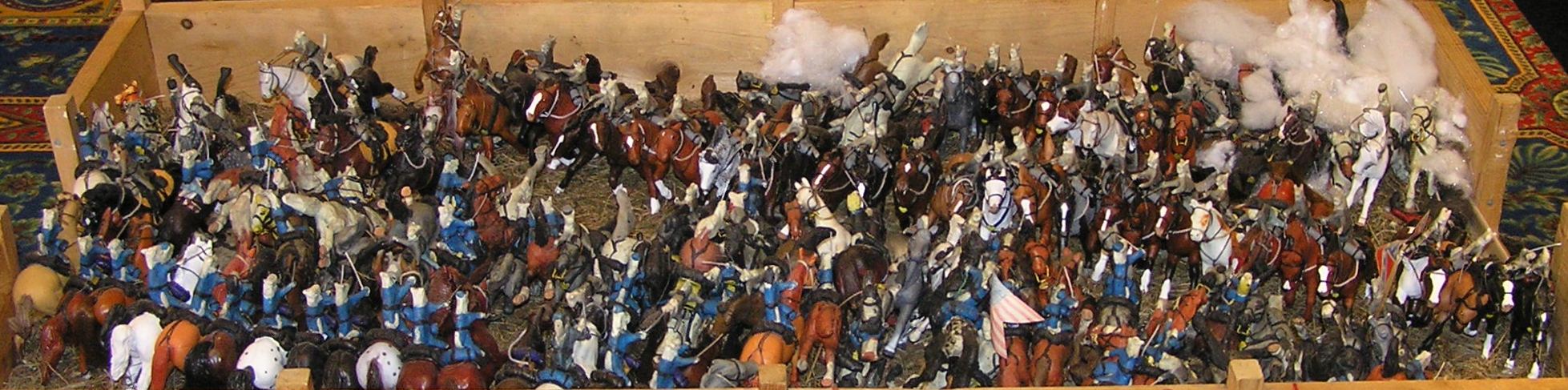
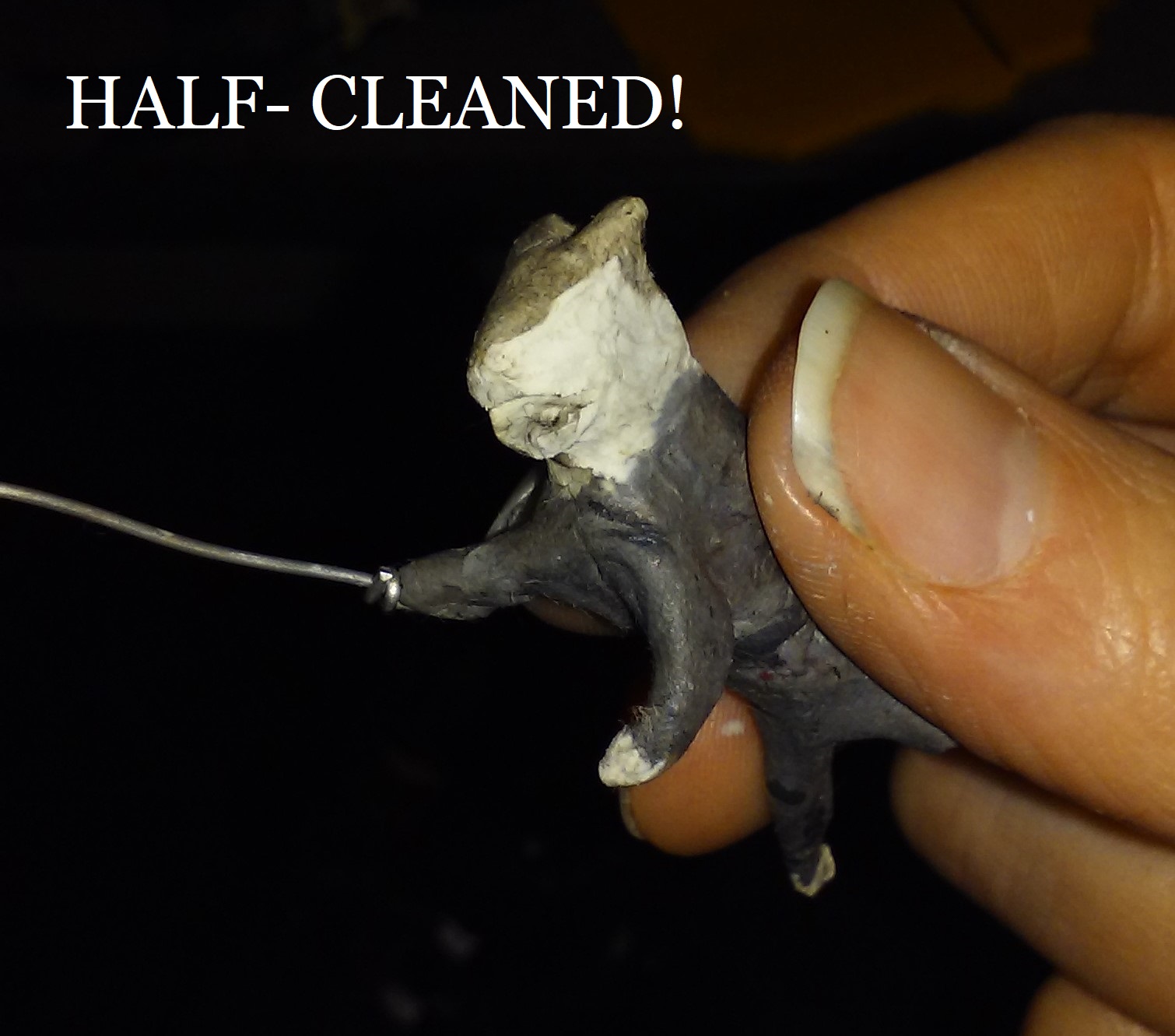 The revamp meant evaluating each horse and cat. Sleepy, lazy (standing) store-bought horses were retired to green pastures and removed from the census of Civil War Cat horses. Some old clay cats and horses had lost so many limbs (and/or head) that they were “put down.” If the horse’s clay was still soft enough, we made a new horse. Unfortunately for the cats, there’s just no way to resurrect old dried-out blue and gray clay! Clay cats and horses who remained more-or-less intact were cleaned up by scraping a couple decades-worth of dust off their faces, uniforms, and white markings. In the meantime, the two cavalries enlisted young whippersnapper Sculpey cats. Some supplied their own fresh mounts, while others inherited veteran cavalry horses.
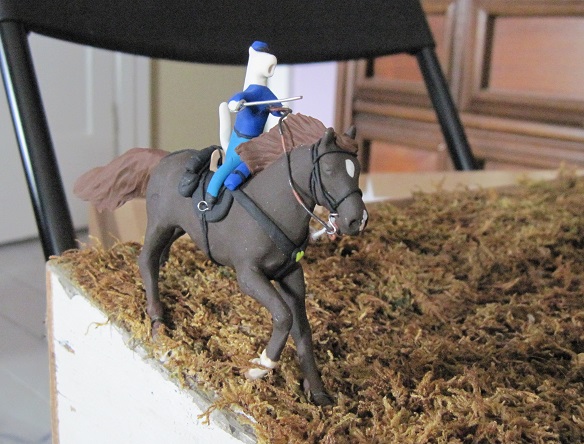 Finally, it was time to install the horses. On May 5, 2018, the first horse, a Union liver chestnut, was wired onto the base! Over three hundred horses would follow before the diorama was finally placed on display at Civil War Tails almost a year later, on Friday, May 3, 2019.


 Civil War Tails at the Homestead Diorama Museum - Gettysburg miniatures